














Spotlight on Amélie — "Prioritizing well-being over appearances..."
Hello and welcome to this new edition of our “spotlight on” articles. Today, we invite you to meet Amélie, a naturopath. Amélie had the immense pleasure of giving us a general overview of her profession. With naturopathy, it is possible to discover an entirely new personalized strategy to put in place to take care of yourself. We will see through this meeting that our body very often sends us potential clues about an inner imbalance or a more general problem. This can be seen through visible signs on our skin, among other things. By exploring natural cosmetics, Amélie offers those she treats a complementary facet to a more global approach aimed at regaining serenity and balance, both inside and out.
Can you introduce yourself? Can you explain the basics of naturopathy?
Yes, of course! So, I am Amélie, a naturopath in Bordeaux. Naturopathy is also called the primary medicine. We analyze the body in a global, holistic way. We look for the cause of the ailments. We don't just treat the symptom. For example, if someone has a headache, we won't just give a remedy for that alone. We will look for the cause of those regular migraines. To do this, we rely on 5 pillars:
- vitalism (vital force);
- humorism (this concerns the fluids that circulate in our body: water, blood, lymph, and interstitial fluid);
- hygienism (on the dietary, psychological, and bodily levels);
- causalism (root cause);
- holism (globality).
This translates into the use of various techniques during our consultations:
- nutrition, which is very important and customizable;
- internal or external hydrotherapy, therefore water;
- phytotherapy, which is plants, and gemmotherapy using buds;
- aromatherapy with essential oils;
- reflexology with all associated techniques (shiatsu, etiopathy, osteopathy, chiropractic…);
- movement (sport);
- psychology;
- magnetism;
- actinology (light);
- breathing...
We also use a whole range of tools, for example, iridology, Lecher antennas (and therefore everything related to energetics). We also have everything related to the emotional spheres: breathing, Bach flowers… And finally, additional aids such as sophrology, sport…
All these tools are used by the naturopath to help find the cause of the patient's ailments and solve the problem by treating the body holistically. We focus on healing:
- the body,
- the soul;
- the spirit.
It is useful for prevention, but we can also act when symptoms are present. This can be useful for everyone: the elderly, pregnant women, athletes, people suffering from sometimes even very complicated pathologies.
And you, what is your background?
I specialize in digestive disorders of the intestinal microbiota. This concerns all autoimmune inflammatory diseases (intestinal dysbiosis, chronic intestinal candidiasis, Crohn's disease, etc.).
Since we are dealing with the source of many problems, this also leads me to work with people who have hormonal disorders, endometriosis, hypo- or hyperthyroidism, skin diseases such as eczema, acne, etc.
Everything is linked in naturopathy. Sometimes, some people come to see me for a skin problem, and it actually hides an intestinal problem. And that is becoming more and more common. I have the impression that everyone has a stomach ache these days.
Is it linked to stress or diet, for example?
Yes, I think there are a huge number of factors. Stress is one of the primary sources and sometimes creates quite impressive physical illnesses. Diet plays a huge role, as do medications, the contraceptive pill… It really must be taken in a holistic, global way. Diet, lifestyle, sedentary behavior, etc.
I am also a culinary creator. I create recipes for all inflammatory digestive diseases. It happens that some people can no longer even eat. I help them resume an elimination diet for a few weeks, or a few months at most, so as not to condition the organism.
My goal with a person is to target the origin of what will help them at the moment, and then to reintroduce foods little by little.
I also give cooking classes, but with COVID, it was a bit complicated. I also provide holistic beauty consultations. Generally, people who consult me for digestive problems also have skin problems. So, in a second step, we will focus on the physical and the exterior and target the problem.
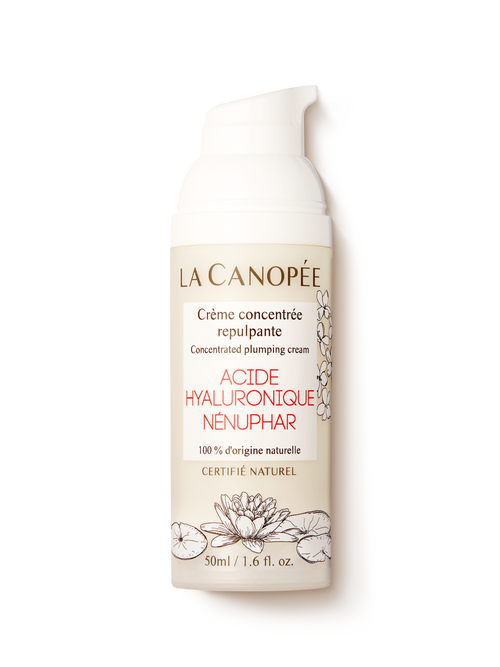
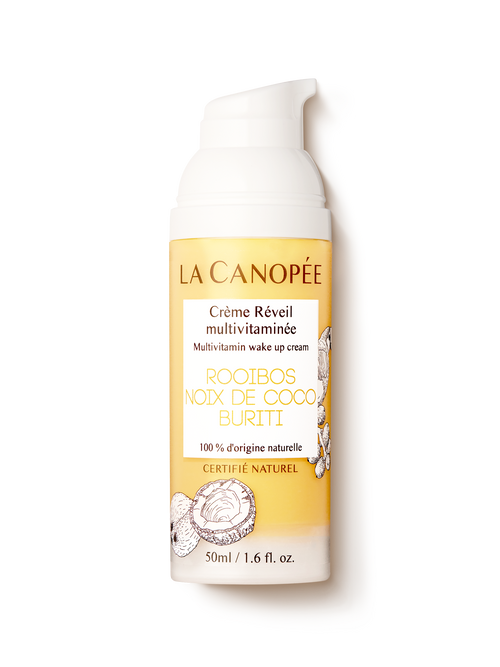
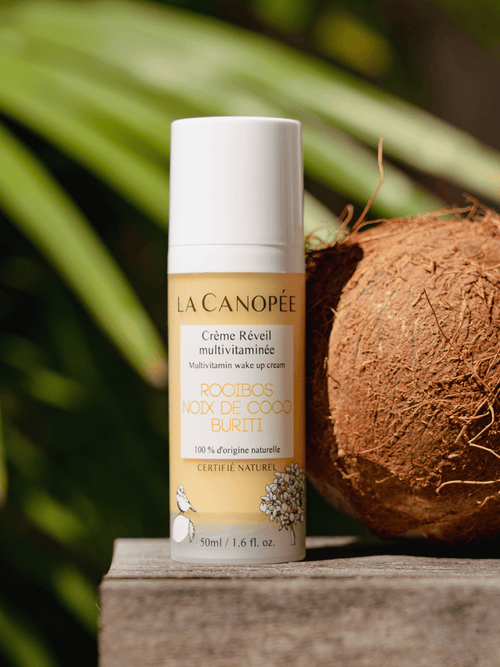
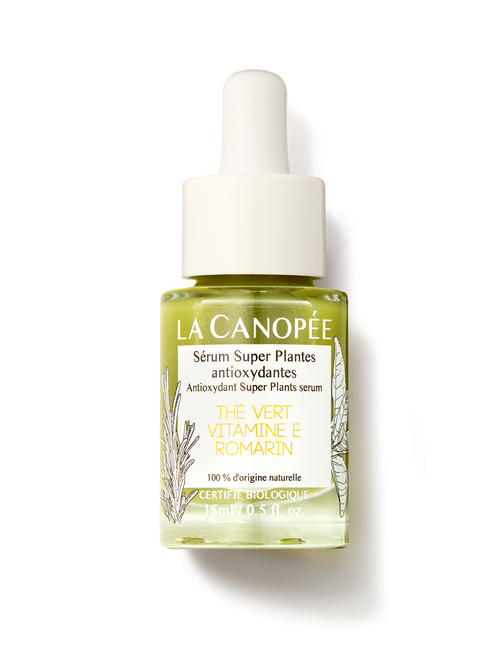
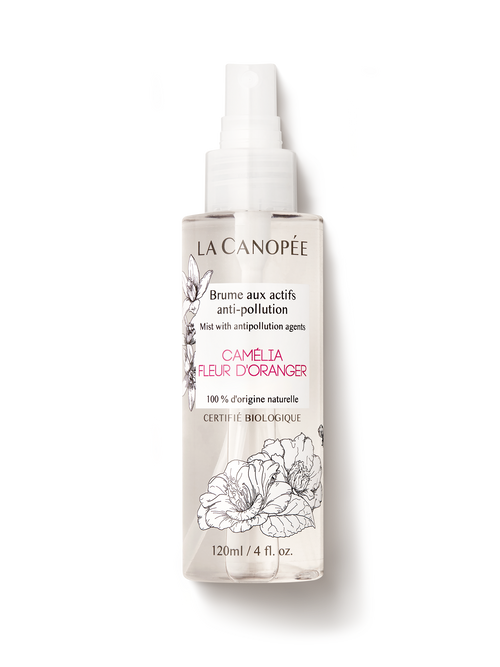
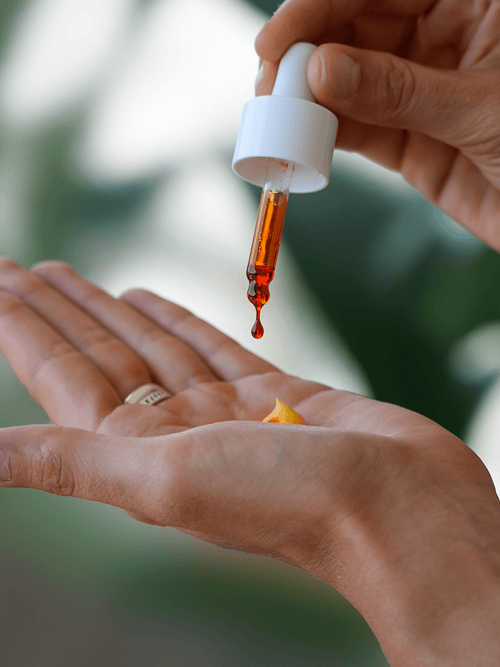
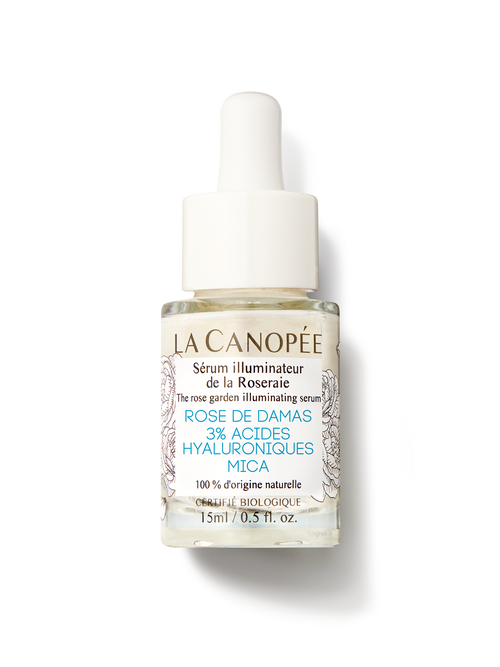
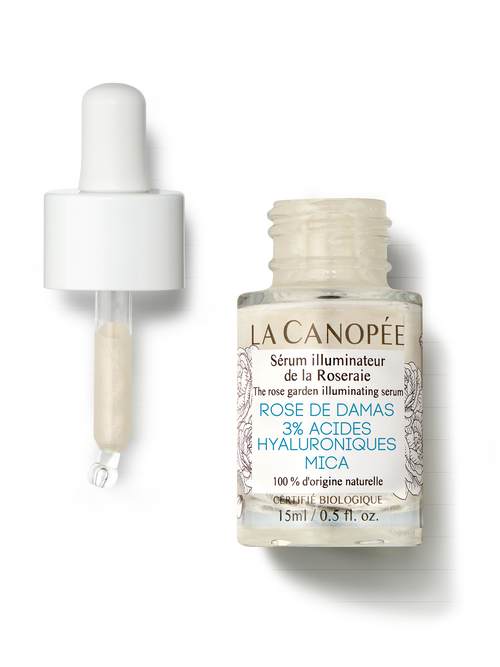
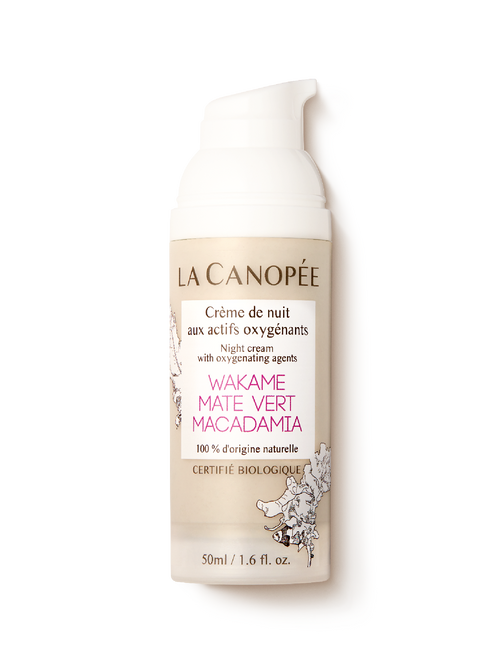
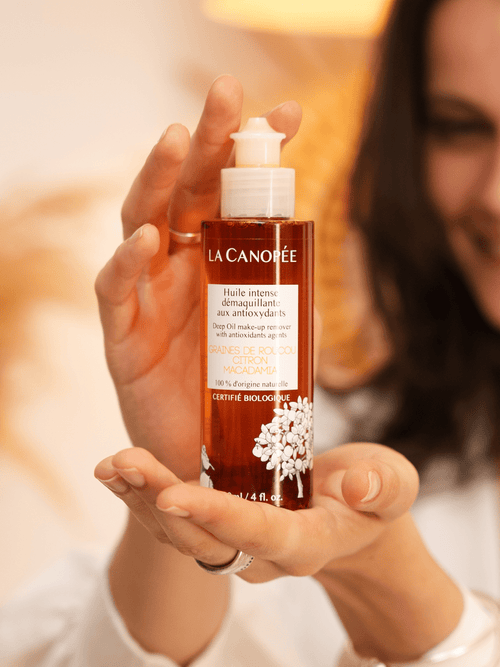
For example, if it's eczema, acne, seborrhea, psoriasis… we will look for the most raw and natural skincare products possible: vegetable oils, macerates, essential oils, etc. But I also sometimes recommend very natural brands: I have a small panel of brands to recommend, including la Canopée.
This follow-up is very comprehensive!
Yes, I try to have a bit of everything because it's interesting. And in any case, as I said, everything is connected: nutrition, beauty, skincare… For my patients, it's also good. They are happy to be followed for all these subjects. They are looking for advice on what to eat, which shampoos to adopt, etc. I like to cover a fairly complete panel for them so that they leave with concrete answers.
Often, they have questions about their skincare, the plants to take, whether it would be too much or if it would act in synergy. I know what they have taken, and it is much simpler to advise them.
It is important for the patient to understand that we are not going to apply a balm “locally” to treat a single ailment. We are going to dig deeper and look for the source. But we will also work on the whole: the inside, the outside, nutrition, supplements, lifestyle, skincare. It is really all of that together that will make it work in the long term.
What is your relationship with cosmetics in general?
I have never had major skin problems. I had a little acne when I was young, like many. When you don't have any particular problem, you generally don't focus too much on facial care. It was around 15 or 16 that I started to establish a more regular routine. I went to see a dermatologist and he redirected me to certain parapharmacy products. My skin was even drier than before, in the end! It started to cause even more pimples.
Since then, I have understood that I cannot tolerate anything chemical. I get irritations, I have burning sensations. Even with medications, I have reactions; that's actually why I turned to naturopathy.
So you turned to natural cosmetics very quickly, in the end?
Yes. Since I was little, we ate organic and healthy at home. I started to get interested in cosmetics that were a bit more natural, given that we went to the organic store with my parents. And there, they started offering me products. That was about ten years ago.
It was just starting, but there wasn't as much of an offering as there is today. I cleaned myself with fairly gentle care products, sprays, floral waters. I never really found a favorite. I kept testing things, and it was around age 20 that I went to Austria as an au pair. They have been into organic a bit longer than we have.
Over there, there were always organic offerings, natural skincare. So I started buying some, as well as makeup. That's when I started wanting to switch to 100% natural: even for mascara, I couldn't stand chemicals. When I returned to France, that's when I started really looking for references in natural cosmetics. But in the end, it is on the Internet that I most often found what I was looking for (there is, after all, more choice than in organic stores).

Okay. How did that go?
At that time, I stumbled upon blogs that talked more about a minimalist routine in which one used fairly raw products: floral waters, aloe vera, and vegetable oils.
I did it for about 5 years: I removed my makeup with an oil, then I just cleaned my face. Then, I applied a floral water (usually cornflower, chamomile, or orange blossom). After that, I applied a bit of aloe vera gel and jojoba oil. It was very minimalist and natural. I made my own scrubs using honey.
My skin was really superb, without doing much. And then, for some time now, I like looking for ready-made formulas for the comforting aspect: it's a nice change, there is the olfactory experience which is also very nice.
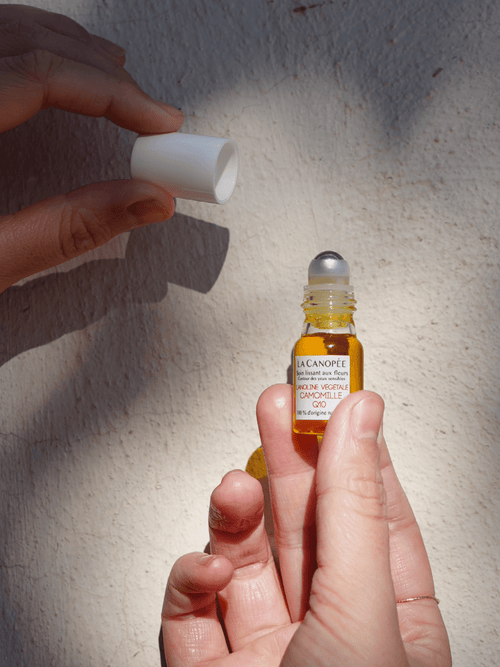
A year and a half ago, I also trained in everything related to roll-on and guasha, self-massage, collagen. And since I take care of myself internally, it reflects on the skin. I supplement myself with plants, vitamins… We have less need to do things externally if we take good care of ourselves internally.
I have become a bit passionate about organic cosmetics, whereas I hate the world of traditional cosmetics; it doesn't interest me at all. I never enter a perfumery; it puts me off. On the contrary, the natural world completes and nourishes us.
Yes, there is a wellness side to this approach?
Yes, exactly. Whereas traditional cosmetics are more about “appearance” and amount to “camouflaging oneself.” For me, it doesn't have the same meaning. My feeling is that there is a superficial side to traditional cosmetics, whereas with the natural world, we are really on a journey to take care of ourselves. Among other things, because there is this whole emotional part when using natural products as well.
Even with makeup: it remains quite light and doesn't come to cover or create a mask. You feel that they are not the same pigments; it is not the same thing. Natural products blend more with the skin. Of course, aesthetics comes second, but it must be part of a whole, as we saw earlier.
How exactly did you find out about La Canopée?
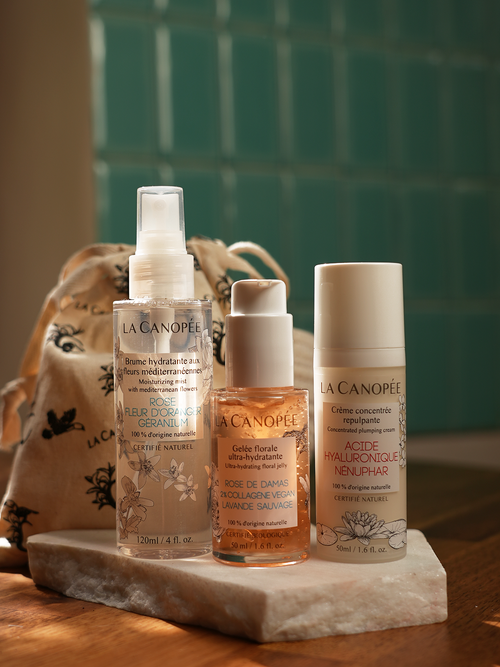
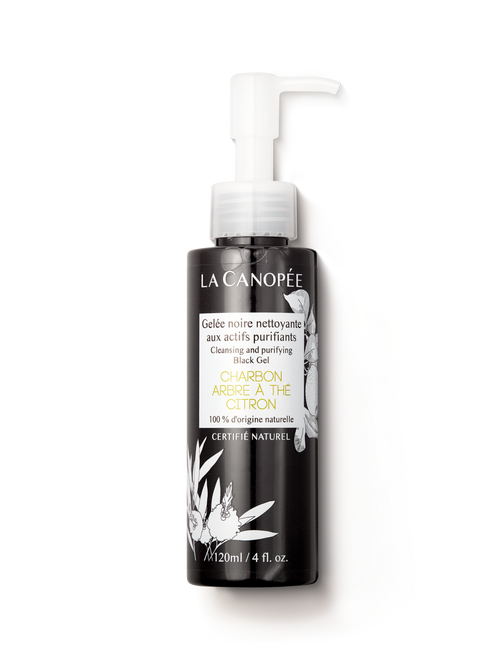
A friend told me about it about two years ago. I had ordered the black jelly and a cream. I liked the brand's atmosphere, the colors, the graphic design, and the scents of the products immensely.
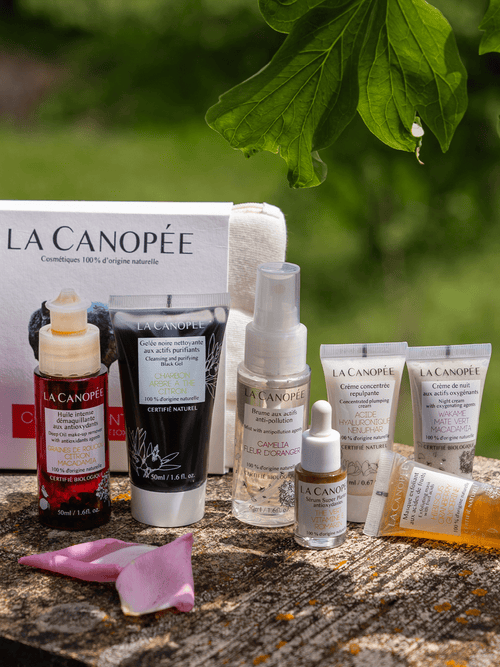
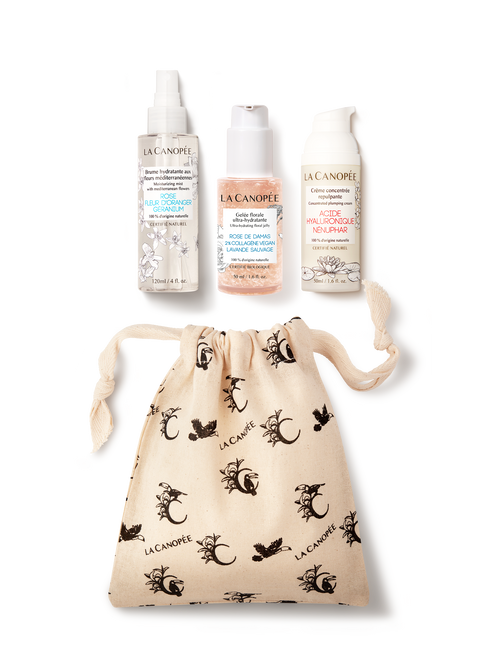
Natural and organic brands do not always have this quality when it comes to scent. My friend found her routine and still orders from you. As for me, I want to test lots of things; the gift sets are ideal for that.
What is your flagship La Canopée product for the moment?
I would say the fruit acid exfoliating mask. I really loved the scent. It must be said that I already love hibiscus. I consume it regularly in the form of an infusion or tea. For health, it is a very good element. And in terms of the skin, it has a great effect; the skin is soft, it tightens pores well, it is a very light exfoliant.
The 2-in-1 side is super practical! We exfoliate without pulling the skin and we enjoy a mask. My homemade masks often had that flaw of pulling and drying out the skin. But by doing the exfoliations, I really started to see a difference in my skin, especially in terms of radiance. And my skin is never dried out anymore!
Any final words?
For those reading: get advice when you want to change your routine, whether it's for your skin or anything else. It is better to go through an expert and find the right products that suit you rather than missing out on what could really work for you!
Falling into self-diagnosis and self-medication is not always a good thing; we see it with essential oils. If you don't know how to use them, it can have a very strong, or even dangerous, impact. We sometimes also have preconceived ideas about our skin, but it can change and evolve. It depends on the period. If you are pregnant, if you are undergoing stress… The skin changes and you have to adapt accordingly.