














Skin pH and cleansers
Skin pH: which cleansers should you choose?
Are you wondering which cleanser you should choose for your skin? Have you ever heard about the mechanisms of skin pH? Most skin problems encountered are very often linked to an imbalance of the hydrolipidic film and the acidity of the skin. Skin cleansers are sometimes too aggressive and can cause more damage than good. Today, we would like to revisit this very important concept with you, which should shape your routines and beauty habits for achieving beautiful skin.
What is skin pH?
Before discussing the composition of our skin in detail, here is a reminder regarding pH.
By definition, "pH" is the shorthand used to refer to potential hydrogen.
It is essential for skin balance, and is the key to maintaining healthy skin for as long as possible.
When we talk about skin pH, we are actually talking about the pH of its surface and what is known as the hydrolipidic film. The hydrolipidic film is a thin oily layer made of sebum, sweat, and dead cells, which is naturally acidic in pH.
The main functions of the hydrolipidic film are to protect the skin from moisture loss, bacteria, and various external aggressions (pollution, sun...). It is a true protective barrier for the dermis.
Why is it important to keep a balanced pH?
These external elements present in the environment are naturally alkaline. As a reminder:
Acid = low pH;
Basic (or alkaline) = high pH.
It is the acidity of the skin's surface that allows it to neutralize these elements, preventing them from penetrating and degrading it.
It is precisely for this reason that maintaining a balanced, acidic hydrolipidic film is fundamental for skin health.
For the face, the pH of "healthy" skin is generally between 4.5 and 5.5; it is slightly acidic.
What factors can cause an imbalance in skin acidity?
Here are the main factors that unbalance the hydrolipidic film:
- cleansers derived from saponification (liquid or solid soaps, even cold-processed or organic ones!)
- micellar waters/lotions;
- sun exposure that is intense or unprotected;
- stress, an unhealthy lifestyle;
- etc.
Certain habits, whether intentional or not, in your daily life can therefore disrupt the pH of your skin and cause various problems.
Why do some cleansers not respect pH?
To go into a bit more detail, the majority of cleansers are alkaline (pH higher than 7) and change the skin's pH during cleansing. We are referring here to soaps and micellar waters. It will take the skin anywhere from 30 minutes to several hours to recover its acidity.
The main problem is that it will already be too stressed and sensitized. The skin therefore experiences this cleansing step as a daily aggression.
It is the daily repetition of this action with unsuitable cleansers that weakens the natural skin balance.
This can cause skin issues such as:
- an increase in blemishes;
- dehydration with tightness;
- redness;
- increased sensitivity;
- skin that becomes combination;
- excess sebum;
- thickening epidermis;
- a dull, greyish complexion;
- etc.
These are our skin's responses to aggression.
Which cleansers should you choose to respect the skin's natural balance?
At La Canopée, we now have experience with thousands of skin diagnostics performed. On the majority of forms received, we note that the problems our clients face are often linked to skin pH.
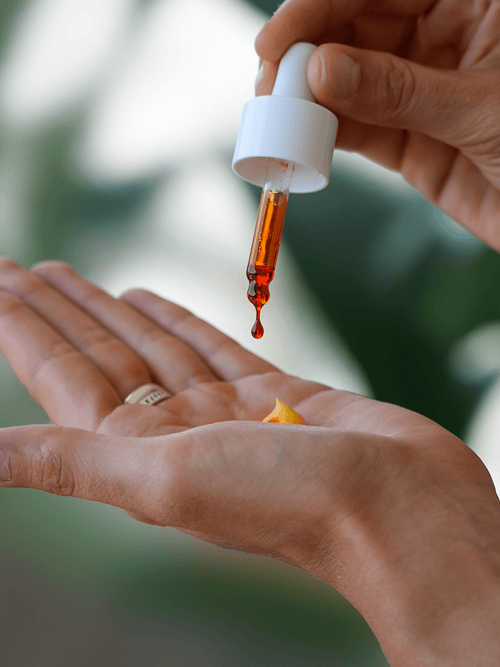
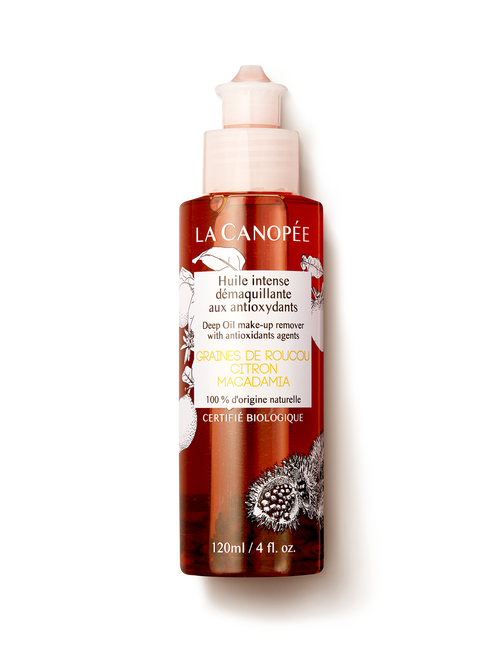
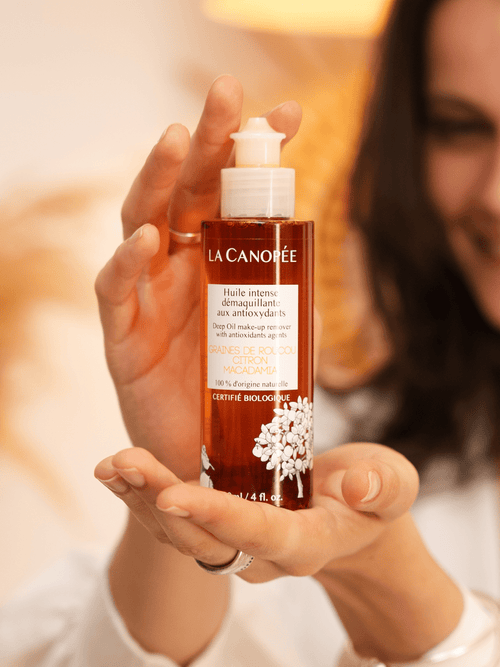
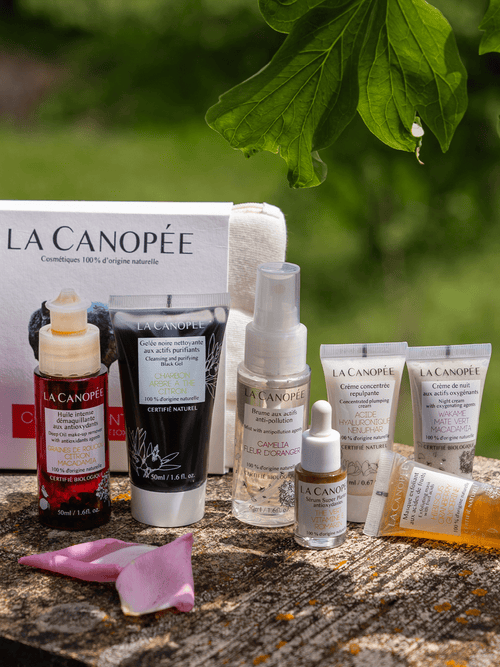
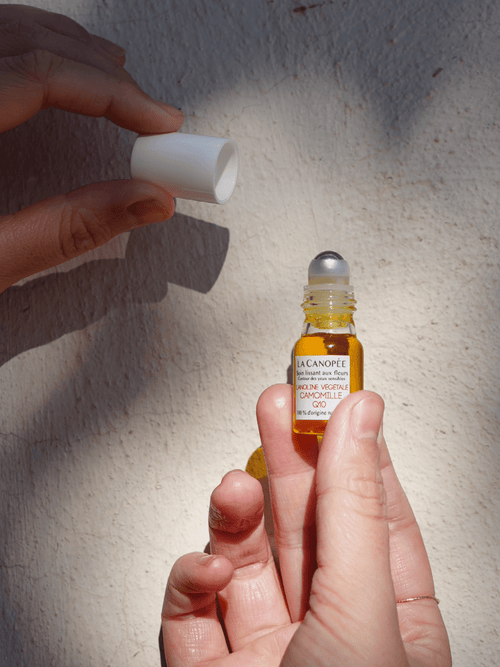
What we propose is a double cleanse, but one that is very gentle. First, makeup removal using an oil: this allows you to preserve that famous oily phase of the hydrolipidic film while removing makeup.
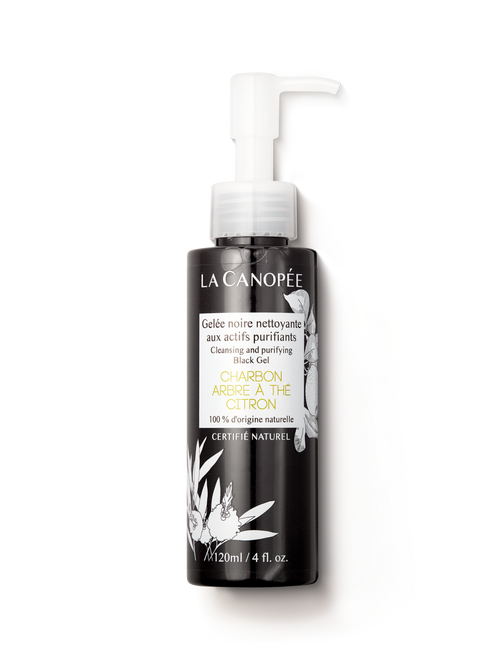
Then, using the black jelly, the gentle vanilla milk, or a gentle cleansing foam depending on your skin type, you can rid the skin of all impurities while respecting the skin's pH.
You understand the importance of using a cleanser with an acidic pH, designed with the least irritating ingredients possible.
For a gentle, high-quality facial cleanser, here are the points to pay particular attention to:
- the pH;
- the quality of the foaming agent;
- the dosage of the foaming agent in the overall composition.
A few tips to guide you: to ensure that the surfactants (foaming agents) are low-dosage, they should not appear right after water in the list of ingredients, for example. If the surfactants listed are sulfates (lauryl, laureth), you will also know that you are dealing with foaming agents that are less gentle and more stripping.
An effective cleansing product cleanses the skin gently without stripping it; it preserves the hydrolipidic film. The cleansing step is essential in a skin care routine and takes no more than a few minutes daily!
This is a key step: everything that follows in the beauty routine will depend on this stage.
Don't hesitate to experiment by discovering our cleansers through our discovery kits:


Gentle Double Cleanse Discovery Kit
Do you have any further questions?
Do not hesitate to contact us directly at: conseilsbeaute@la-canopee.com