














SOS redness: how to soothe and strengthen sensitized skin in winter
Winter is often a delicate time for skin that is sensitive and prone to redness. Cold weather, forced-air ventilation, heating, and sudden temperature fluctuations are all factors that weaken the epidermis and exacerbate sensations of discomfort. Tightness, heat, dry patches, and diffuse or localized redness then appear more easily. Understanding what happens to the skin in winter allows you to adopt the right habits and put in place a soothing and protective routine capable of calming redness while durably strengthening the skin barrier.
Why you can trust us:
We have been at the heart of green chemistry innovation for nearly 10 years.
Over 50,000 customers have trusted us from the very beginning on this site, and we value their loyalty.
Passionate, we keep a close watch on all advances in botany, cosmetics, and also dermatology.
Table of contents
Why does skin become redder and more reactive in winter?
From a dermatological perspective, skin has a protective barrier called the hydrolipidic film. Composed of water and lipids, this barrier limits water loss and protects the epidermis from external aggressions. In winter, several mechanisms disrupt this balance.
Cold weather slows the activity of sebaceous glands, reducing sebum production. Yet, this sebum is essential for maintaining the skin's suppleness and resistance. When this natural protection diminishes, the skin becomes more permeable, drier, and more vulnerable. Cold wind and dry air increase water loss, while indoor heating dries out the atmosphere even further, promoting cutaneous dehydration.
For sensitive skin, this weakening of the skin barrier leads to an inflammatory response. Blood vessels dilate more easily, causing the appearance of redness, sensations of heat, and sometimes tingling. Cell renewal also becomes less efficient, which can accentuate a dull complexion and make the skin look more uneven.
Adapting your routine to calm redness and protect the skin
When the skin is fragile, the priority is to preserve and repair the hydrolipidic film. This starts with an appropriate, respectful, and protective cosmetic routine that avoids any unnecessary aggression.
Cleansing is a key step. In winter, it must be both effective and extremely gentle. Double cleansing remains an excellent option for removing impurities from the skin without stripping it.
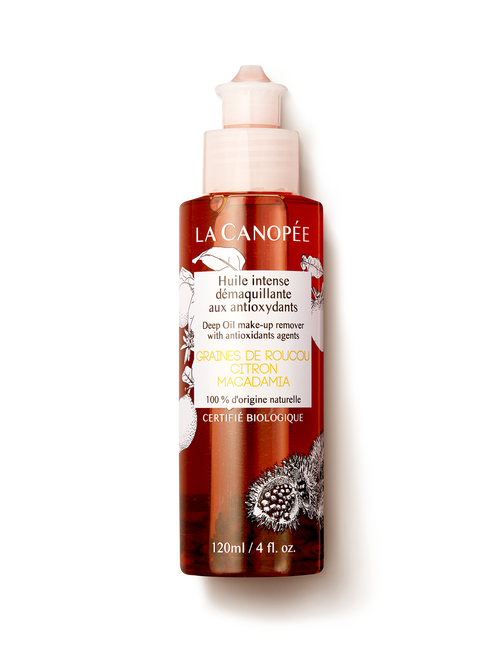
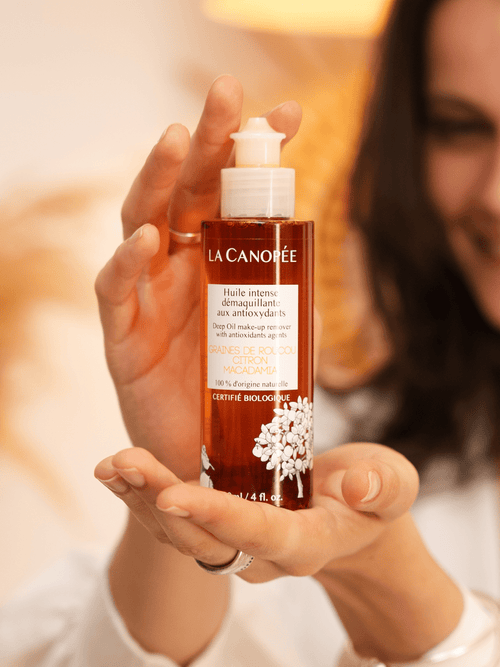
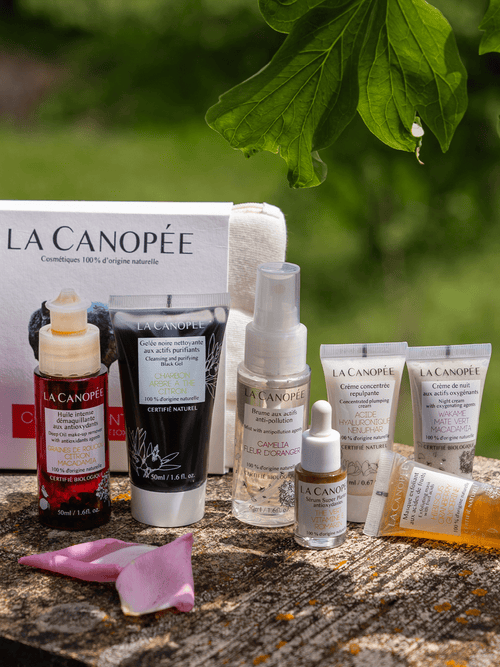
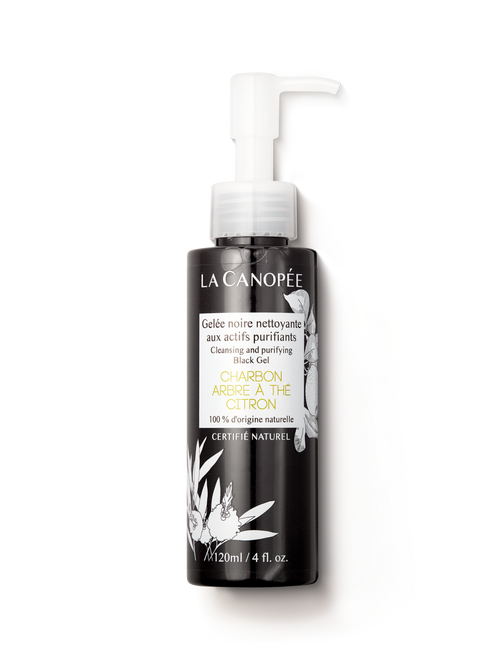
The gentle floral makeup-removing oil dissolves makeup and sebum while already providing protective lipids. It prepares the skin for the second step, cleansing, with the black cleansing jelly with purifying active ingredients, which deep cleanses without altering the hydrolipidic film.
This combination is particularly beneficial for skin prone to redness because it limits friction and the use of harsh surfactants.

Hydrate, nourish, and strengthen the hydrolipidic film
To durably soothe redness, the skin needs water but also lipids (fats). Hydration alone is not enough if the skin barrier is damaged. It is therefore essential to combine hydrating and nourishing treatments.
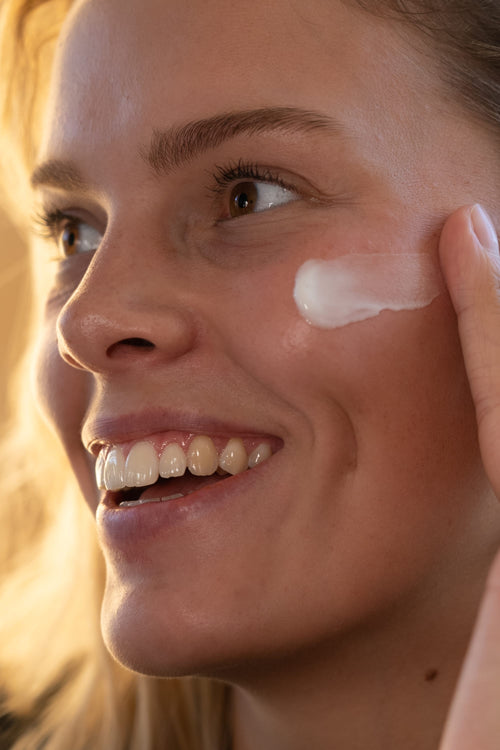
The universal cream is a precious ally for sensitive and fragile skin in winter. Its comforting texture intensely hydrates while nourishing the skin, which helps restore the skin barrier and limit water loss.
Better hydrated skin is naturally more resistant and less prone to redness. You can also opt for the baby cream, which is a highly hydrating and nourishing treatment that protects the most fragile skin.

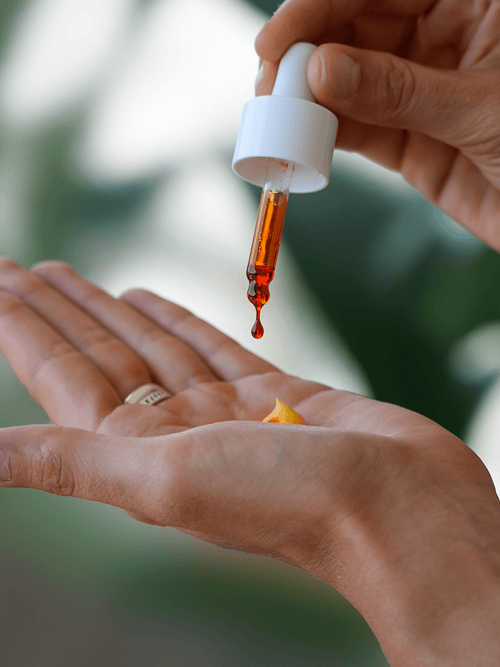
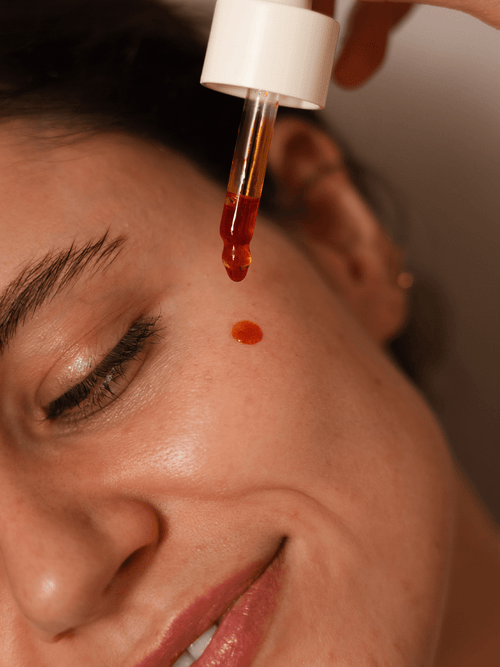
To strengthen this action, applying an oily serum is highly recommended. The ultra-nourishing oil serum seals in hydration, provides suppleness and comfort, and acts as a true protective shield against cold and wind.
The vegetable oils it contains help soothe cutaneous inflammation and reduce the sensation of tightness often associated with winter redness.

Treat yourself to cocooning care to deeply soothe the skin
Even in winter, exfoliation remains an important step, provided it is gentle and adapted. Skin that does not renew itself properly accumulates dead cells, which can accentuate dry areas and prevent treatments from penetrating effectively.
The exfoliating mask with fruit acids by La Canopée gently stimulates cell renewal. Used once a week, it helps the skin regain a smoother texture and better absorption capacity for active ingredients, without irritating sensitive skin. If you have particularly reactive skin, applying it once or twice a month is sufficient.
After exfoliation, applying the soothing milky rose mask is ideal for immediately calming the skin. Rich in hydrating, anti-inflammatory, and repairing active ingredients, it provides a real bandage effect for fragile skin. The skin is soothed, suppler, and better armed to face winter aggressions. This mask can be used one or more times a week depending on the skin's needs. There is no contraindication to using it every day until the skin feels more comfortable.

Taking care of the most sensitive areas prone to redness
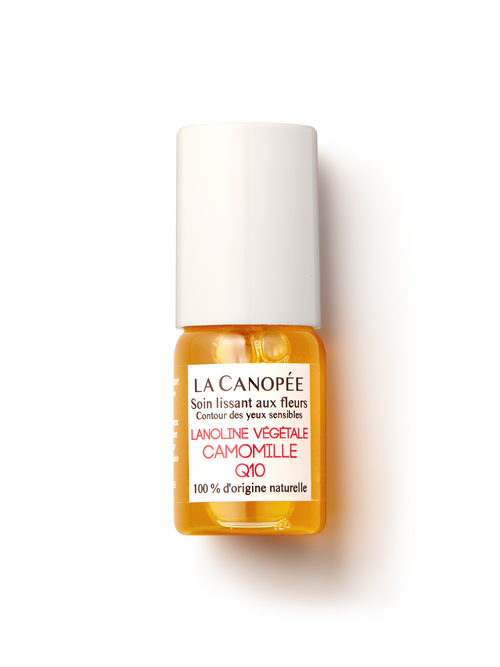
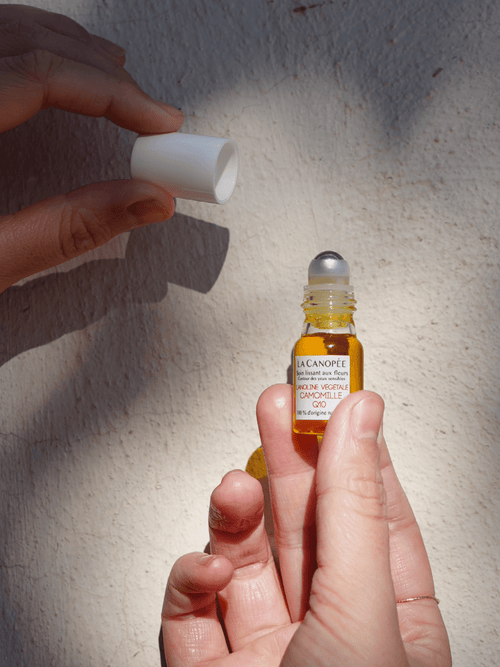
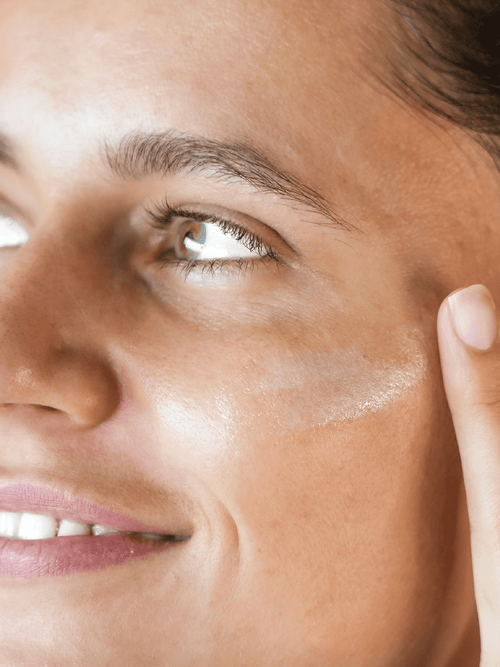
Certain areas of the face are particularly vulnerable in winter, especially the eye contour, the sides of the nose, or areas prone to tightness. The floral smoothing treatment is specially formulated to meet these needs.
This oily treatment, originally designed for the eye contour, can also be applied to all fragile areas of the face. It provides immediate comfort, helps repair the skin, and protects it from external aggressions. It is a true SOS treatment to tuck into your bag throughout the winter to calm redness and sensations of discomfort as soon as they appear.

To repair the skin, you can also choose the magic ointment. Highly comforting and restorative, it will help accelerate the repair and healing of irritated skin, burning sensations, skin with psoriasis and eczema, as well as all types of erythema.

Lifestyle, an essential lever for soothing redness
Skin beauty does not depend solely on the products applied. In naturopathy, the state of the skin is closely linked to inner balance. In winter, it is common to feel less hydrated, yet hydration remains essential to maintain supple and comfortable skin. Drinking enough water, herbal teas, or broths supports skin hydration from within.
Diet also plays a key role. Essential fatty acids, especially omega-3s, help strengthen the skin barrier. Regularly incorporating sources of omega-3 helps the skin better resist aggressions and limit redness.
A gentle winter with La Canopée
Winter redness is not inevitable. By understanding the skin mechanisms at work and adopting an adapted routine, it is possible to soothe the skin, strengthen its protective barrier, and regain comfort and even radiance in the middle of winter.
Thanks to the natural, sensory, and effective treatments from La Canopée, fragile skin has gentle and respectful solutions to get through the cold season more serenely. Taking the time to listen to your skin, protect it, and nourish it means giving it the best conditions to stay beautiful, balanced, and soothed throughout the winter.
Summary
In winter, cold and temperature variations weaken the skin barrier, making the skin drier, more sensitive, and prone to redness.
A gentle routine, combining respectful cleansing, hydration, nutrition, and soothing treatments, helps strengthen the skin and limit inflammation. By combining adapted treatments and a healthy lifestyle, it is possible to get through the winter with skin that is more comfortable, soothed, and protected.

Juliette Munoz,
Co-founder, in charge of communication at La Canopée.
✔️ Master's degree in design and environments.
✔️ Certified in aromatherapy.
✔️ Trained in facialist face massages and face yoga.
Passionate about skin biology, botany, and holistic beauty, Juliette founded La Canopée in 2017 alongside her sister Cécile, an expert in green chemistry. Driven by a commitment to her customers, Juliette relentlessly pursues excellence in all aspects of La Canopée, with the aim of offering the best possible experience with the brand.