














Why does skin become more dehydrated in the summer?
Understanding the phenomenon and the right steps to preserve your hydration
Every summer, many people notice the same phenomenon: the skin feels tight, lacks suppleness, becomes more sensitive, or seems to lose its radiance. Yet, warmth is often associated with more comfortable skin than during the winter.
So why does the skin become more dehydrated in the summer?
Contrary to popular belief, heat and sun do not hydrate the skin. Quite the contrary. They promote the natural water loss of the epidermis. Fortunately, a few simple steps can help you maintain comfortable skin throughout the summer.
Why trust us:
We have been at the heart of green chemistry innovation for nearly 10 years.
Over 50,000 customers have trusted us since the beginning on this site, and we are grateful for their loyalty.
Passionate, we closely follow all advances in botany, cosmetics, and also dermatology.
Table of contents
Dehydrated or dry skin: what is the difference?
First of all, it is important to distinguish between two concepts that are often confused.
Dry skin is a skin type; it lacks lipids (fats).
Dehydrated skin is a temporary state; it lacks water. This can affect absolutely all skin types, even oily or blemish-prone skin.
In summer, combination or oily skin can therefore perfectly become dehydrated.
Why does skin lose more water in the summer?

Skin naturally loses water
Our skin is never completely impermeable.
A small amount of water constantly and naturally diffuses from the deep layers of the skin toward the surface before evaporating. This purely physiological phenomenon has a name: Transepidermal Water Loss, or TEWL.
This loss is essential for the skin's normal functioning. However, when it becomes too significant, the skin begins to lack water.
TEWL is currently one of the main indicators used in dermatology to evaluate the quality of the skin's barrier function.
Heat accelerates evaporation
The hotter the environment, the faster the water evaporates.
It is exactly the same principle as a puddle of water that disappears much faster in the sun than in the shade. The stratum corneum of our skin undergoes the same phenomenon; heat increases the evaporation rate of the water present in the epidermis.
The sun weakens the skin barrier

UV radiation does not only affect tanning. It can also alter the lipids that make up the skin barrier, reduce its effectiveness, and promote water loss.
A less effective skin barrier lets more water escape from the epidermis, which further increases dehydration.
Sweating does not rehydrate the skin
One might think that sweating moisturizes the skin. In reality, it is almost the opposite.
Sweating is a mechanism designed to cool the body down. When this water evaporates, it carries heat away with it... but at the same time, the skin continues to lose water through evaporation.
In cases of prolonged heat, exercise, or sun exposure, water loss therefore becomes more significant.
Salt, chlorine, and swimming
Repeated swimming also contributes to dehydration. Sea salt, swimming pool chlorine, and frequent rinsing can alter the hydrolipidic film and make the skin barrier less effective.
The result is skin that feels tighter after a shower or a swim.
Signs of dehydrated skin
Dehydrated skin often shows several of these symptoms:
Feeling of tightness;
Skin that may become more "grainy";
Dehydration lines become more visible;
Loss of radiance;
Makeup that emphasizes lines;
More reactive skin;
Sensation that the skin "drinks" up skincare products.
How to properly hydrate your skin in the summer?
Good hydration relies on two complementary steps.
Step 1: Provide water
The goal is to provide humectants, meaning active ingredients capable of retaining water in the superficial layers of the skin.
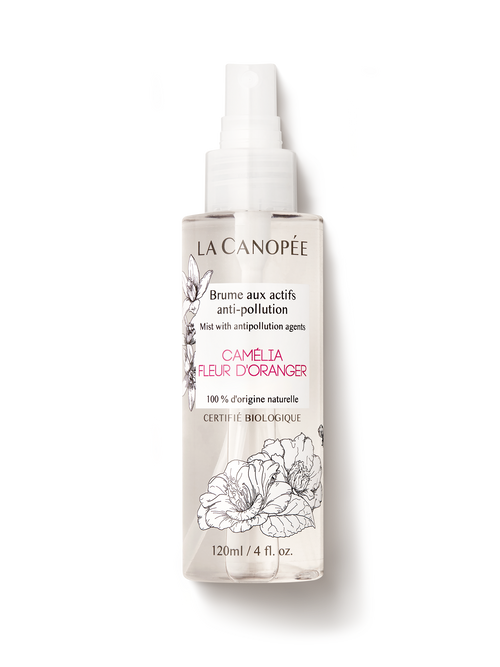
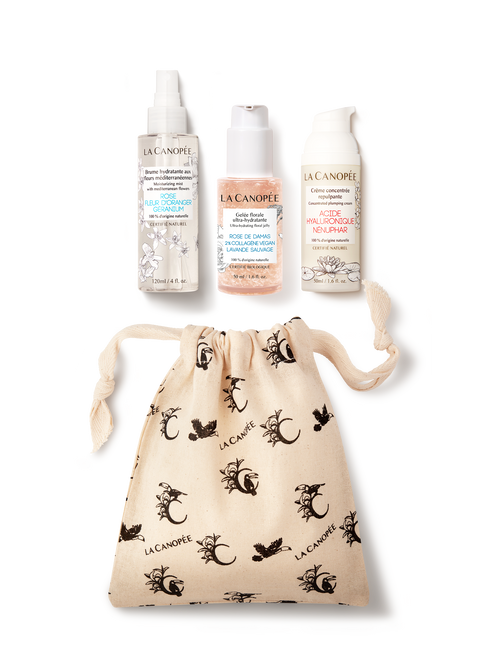
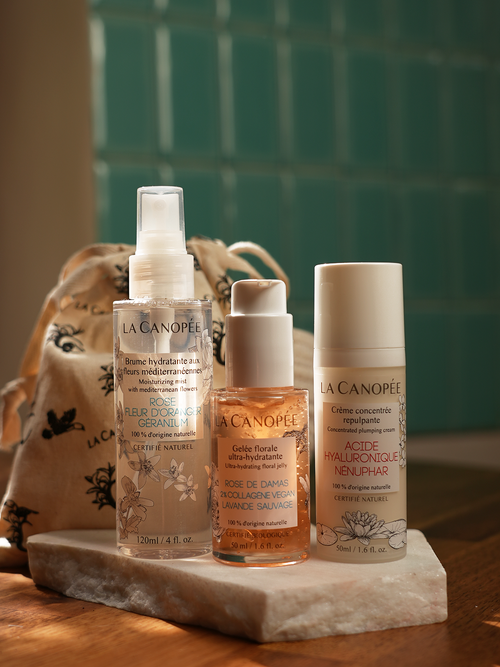
At La Canopée, we recommend starting with the Hydrating Mediterranean Flower Mist.
Composed of rose and orange blossom floral waters and hydrating active ingredients like inulin, it immediately provides water to the skin while offering a feeling of freshness that is particularly pleasant during the summer.
It can be used:
in the morning;
after sun exposure;
after swimming;
before skincare;
or several times during the day when the skin feels the need.

To further strengthen this hydration, apply the Ultra-Hydrating Floral Jelly afterwards.
Its formula combines:
hyaluronic acid;
wild lavender and Damask rose floral waters;
2% vegetable collagen amino acids;
It helps maintain an optimal hydration level, boosts collagen production, and provides skin comfort while leaving an extremely light texture, ideal for the summer season.

Step 2: Prevent water from evaporating
It is a common mistake; after providing water, you must protect the skin. With the mist and the jelly, we ensure optimal hydration, but now we must strengthen the protective lipids.
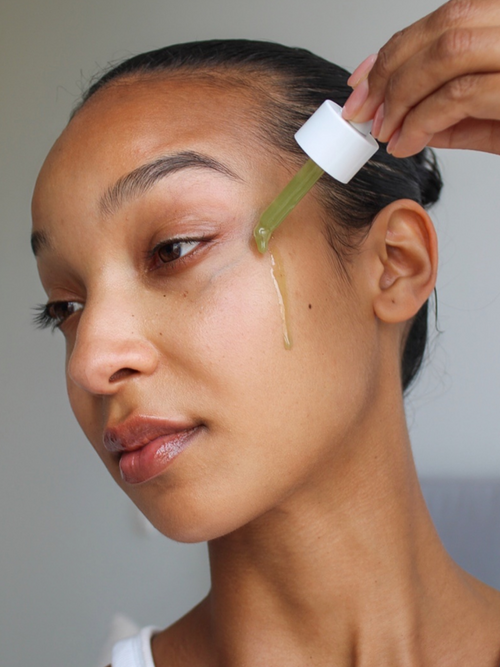
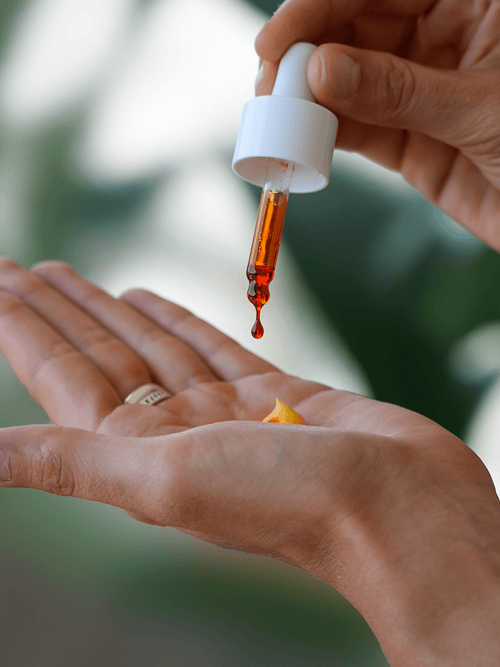
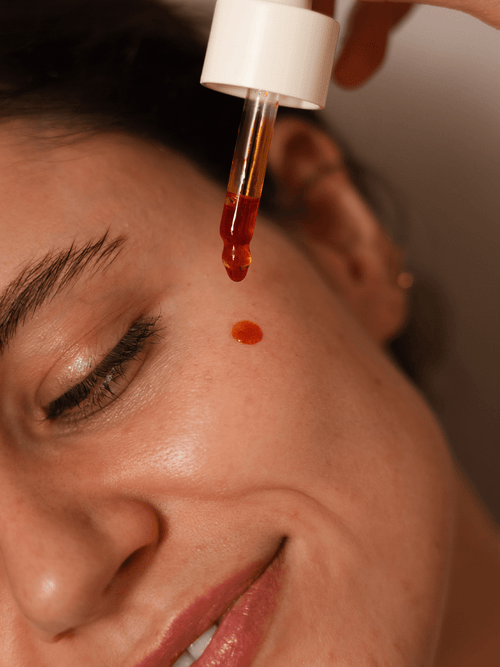
If nothing limits evaporation, some of this water will quickly return to the atmosphere. This is why it is beneficial to apply a few drops of an oily serum afterward.
Vegetable oils do not "add" water to the skin, but they strengthen the hydrolipidic film and slow down insensible water loss by forming a protective veil on the surface of the epidermis.
For normal to mature skin:
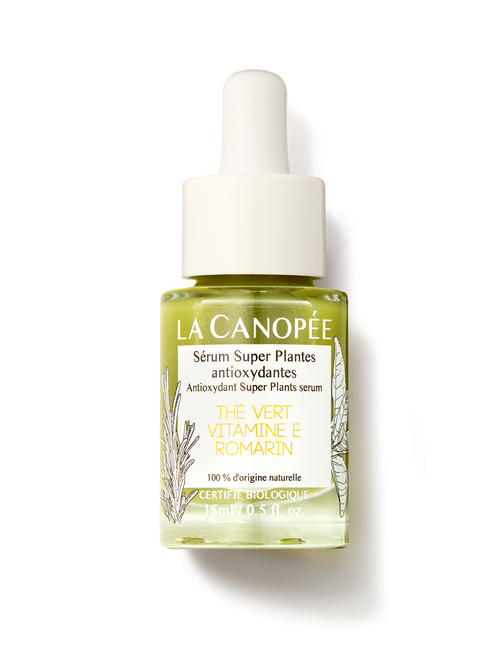
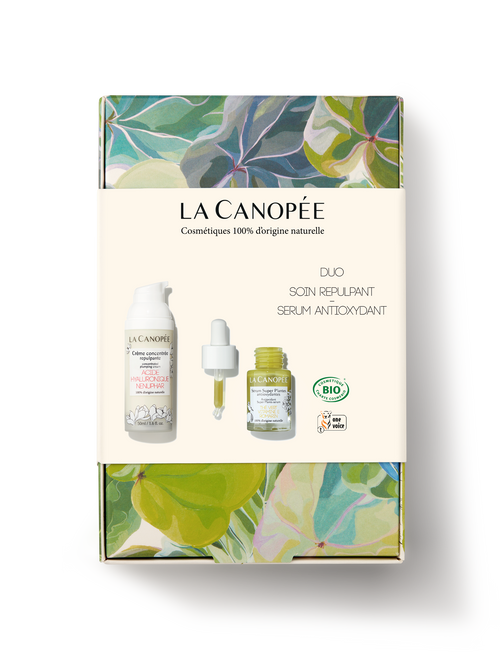
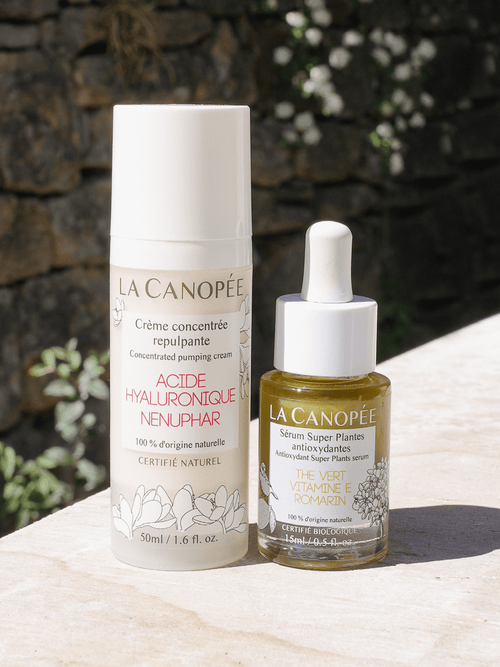
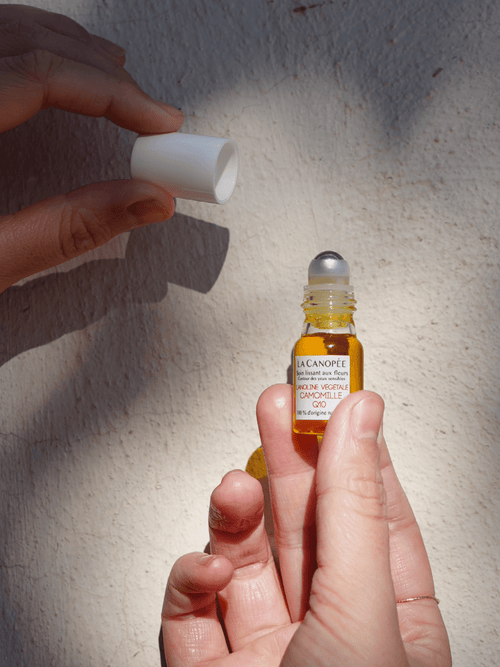
The Antioxidant Super Plant Serum is ideal. In addition to limiting dehydration, it provides a synergy of vegetable oils rich in antioxidants that help the skin fight against oxidative stress induced by UV rays, pollution, and free radicals.
For combination to oily skin or skin prone to imperfections:
The Essential Purifying Synergy Serum is an excellent alternative.
Its fine texture, thanks to jojoba wax, is perfectly suited for combination skin. This serum helps preserve hydration without a greasy effect, while supporting skin prone to imperfections.

La Canopée summer hydration routine
1- Hydrating Mediterranean Flower Mist
2- Ultra-Hydrating Floral Jelly
3- A few drops of an oily serum suited to your skin
4- During the day, when exposed to the sun, the Milky Sun Fluid SPF50+
This combination provides water to the skin, helps retain it, and then limits its evaporation.
Naturopathy tips for keeping your skin well hydrated
Skin hydration does not depend solely on cosmetics. A few simple habits can make a real difference.
Drink regularly
Don't wait until you're thirsty. The sensation of thirst often appears when dehydration has already set in. You can drink water, herbal teas, and all juices rich in water, while being careful not to consume too much sugar. Fruits are always better to eat than to drink as juice.
Eat fruits and vegetables rich in water
Cucumber, tomato, melon, watermelon, peach, zucchini… contribute to your daily water intake. Don't deprive yourself!
Favor good lipids
Remember, fat is life, but only the good kind!
Omega-3s (for omnivorous diets: small fatty fish; for vegetarians or vegans: walnuts, flaxseeds, or chia seeds) contribute to the proper functioning of cell membranes and indirectly participate in maintaining a high-quality skin barrier.
Limit very hot showers
Even in summer, water that is too hot damages the skin's protective lipids more intensely. Lukewarm water, or cold water for the brave, is preferable.
After every swim
Quickly rinse your skin with fresh water, then reapply a hydrating mist followed by your milky sunscreen fluid to restore skin comfort.
In summary
Skin becomes more dehydrated in summer because heat, UV rays, perspiration, wind, and swimming increase the skin's natural water loss. When this evaporation becomes too significant, the skin loses comfort, suppleness, and radiance.
The best strategy is to act in two stages. First, provide water with skincare products rich in hydrating active ingredients. Second, strengthen the skin barrier using a few drops of an oily serum that limits transepidermal water loss.
At La Canopée, combining the hydrating mist with Mediterranean flowers, the ultra-hydrating floral jelly, and an oily serum adapted to your skin type makes for a particularly relevant summer routine to durably preserve skin hydration.
Our summer products ☀️

Juliette Munoz,
Co-founder, in charge of communication at La Canopée.
✔️ Master's degree in Design and Environments.
✔️ Certified in aromatherapy.
✔️ Trained in facialist massages and face yoga.
Passionate about skin biology, botany, and holistic beauty, Juliette founded La Canopée in 2017 alongside her sister Cécile, an expert in green chemistry. Driven by a commitment to her customers, Juliette tirelessly pursues excellence in all aspects of La Canopée, aiming to provide the best possible experience with the brand.